
A scanner reads syntax. We read intent.
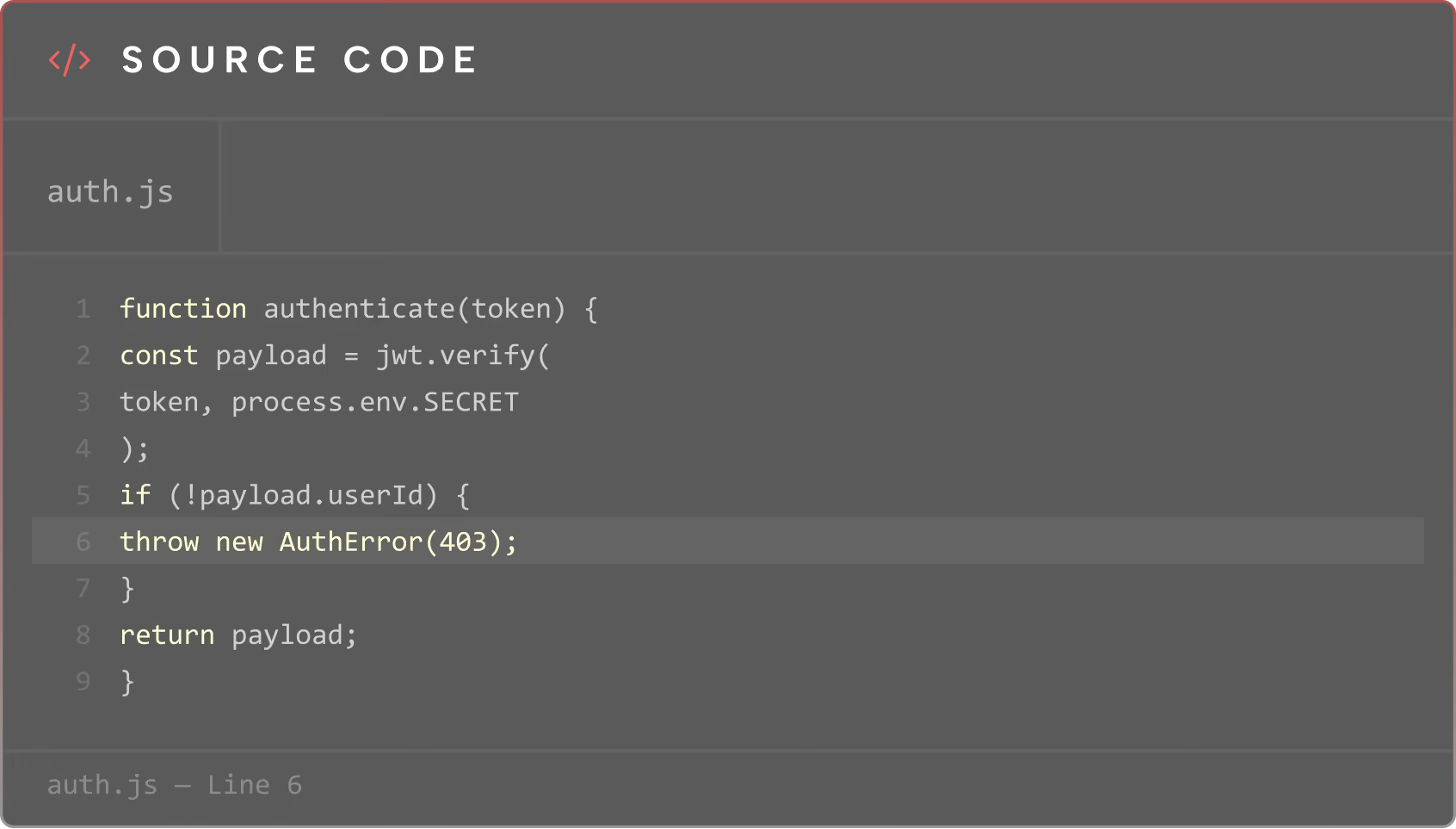
Automated scanners catch known bug patterns. They can't tell whether your code lets a user skip a payment, escalate their access, or abuse a feature you built to help them.
We read your code the way an attacker would, for the business logic flaws that actually cost you.
We read your code the way an attacker would, for the business logic flaws that actually cost you.


.avif)













The question that matters
Your code passes every automated scan. But can someone abuse the logic you built to serve customers?
WHY MOST CODE REVIEWs FALL SHORT
A scanner reads syntax.
It doesn't understand your business.
Automated tools match patterns for known bugs. They have no idea what your app is supposed to do, so they miss the logic flaws, privilege escalations, and abuse paths that don't look like 'bugs' at all. Those take a human reading the code with an attacker's mindset.
Most Code Reviewers
Automated scanner-driven review
Pattern matching for known bugs
Generic security checklists
Findings with no exploitation context
Scanner output defines thoroughness
Mechanical severity ratings
Payatu
AI-native and researcher-led: manual-first review with selective automation

Business logic and workflow analysis, by hand
Adversary-driven threat mapping
Exploitation thinking and real impact assessment
Human reasoning over tool dependency
Risk prioritised by business context
What we Review
Line by line
We read the code that matters most, by hand, for the flaws scanners miss.
Java
Java
JavaScript / TypeScript
Go
C / C++
PHP
Kotlin & Swift
Third-party libraries
Java
Python
JavaScript / TypeScript
Go
C / C++
PHP
Kotlin & Swift
Third-party libraries
Business logic & access
Business logic & workflow abuse
Authentication & authorization in code
Privilege escalation paths
Input handling & injection

Business logic & access
Data & secrets
Sensitive data handling
Hardcoded secrets & keys
Cryptography use
Error handling & logging

Data & secrets
Dependencies & design
Third-party libraries & SDKs
Insecure design & anti-patterns
Trust boundaries between components
Update & supply-chain risk

Dependencies & design
Business logic & access
Business logic & workflow abuse
Authentication & authorization in
code
code
Privilege escalation paths
Input handling & injection

Data & secrets
Sensitive data handling
Hardcoded secrets & keys
Cryptography use
Error handling & logging
Dependencies & design
Third-party libraries & SDKs
Insecure design & anti-patterns
Trust boundaries between
components
components
Update & supply-chain risk
Process
How it works
Simple, step by step, from first read to confirmed fix.
Understand the app
You share the code and what it does. We learn the risky parts before we read a line.
01
Map the code
We trace how data and users move through the code, so we know where to look hardest.
02
Prove the impact
For each flaw, we show how it could
be abused and what it would cost.
be abused and what it would cost.
04
Read it by hand
Our reviewers read the code like an attacker, backed by tools for coverage.
03
Report with fixes
Clear findings ranked by business risk, with secure code examples in your language.
05
Re-review
After you fix, we check the changes and confirm the flaw is truly closed.
06
Process
How it works
Simple, step by step, from first read to confirmed fix.
Understand the app
You share the code and what it does. We learn the risky parts before we read a line.
01
Map the code
We trace how data and users move through the code, so we know where to look hardest.
02
Read it by hand
Our reviewers read the code like an
attacker, backed by tools for
coverage.
attacker, backed by tools for
coverage.
03
Prove the impact
For each flaw, we show how it could
be abused and what it would cost.
be abused and what it would cost.
04
Report with fixes
Clear findings ranked by business
risk, with secure code examples in
your language.
risk, with secure code examples in
your language.
05
Re-review
After you fix, we check the changes
and confirm the flaw is truly closed.
and confirm the flaw is truly closed.
06
Process
How it works
Simple, step by step, from first read to confirmed fix.
Understand the app
You share the code and what it does. We learn the risky parts before we read a line.
01
Map the code
We trace how data and users move through the code, so we know where to look hardest.
02
Read it by hand
Our reviewers read the code like an attacker, backed by tools for coverage.
03
Prove the impact
For each flaw, we show how it could be abused and what it would cost.
04
Report with fixes
Clear findings ranked by business risk, with secure code examples in your language
05
Re-review
After you fix, we check the changes and confirm the flaw is truly closed.
06



Testimonials
What engineering teams say about working with us


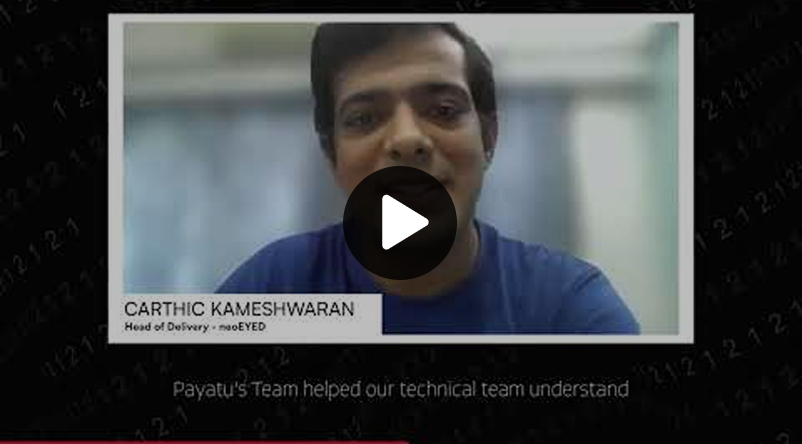

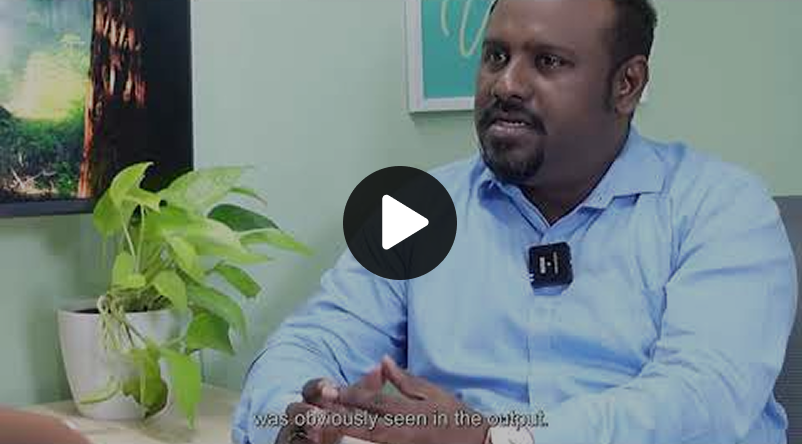

Payatu's focus on in-depth defence, quality, and proactive approach to all their services were precisely what our fast-growing publicly listed company needed.
Payatu's Services have helped us in ensuring that not only do we exceed strict compliance standards, but also ensure that security is not just a tick box exercise in our organisation. We have been able to make security an integral part of...
Payatu's Services have helped us in ensuring that not only do we exceed strict compliance standards, but also ensure that security is not just a tick box exercise in our organisation. We have been able to make security an integral part of...

Payatu delivered a 360-degree penetration testing exercise across our web applications and internal network. Their structured, methodical approach and deep technical understanding were evident throughout the engagement. They didn’t just give us a list of vulnerabilities, they provided actionable insights that helped to improve our security posture. The engagement was constructive.
WHY PAYATU
Why engineering teams pick us
We lead with human review, not scanner output. So you get the logic and design flaws that tools miss, with fixes your developers can use.

OSCP, OSWE, eWPT & eWPTX certified


ISO 17025 accredited · CERT-In empanelled


Founders of Nullcon &
hardwear.io
hardwear.io

CVEs in major frameworks & libraries
.png)
Secure code examples in your language
.png)
Contributors to OWASP guidelines








What you get
The whole story, and fixes your team can act on.
Complete explaination
Every flaw we found and how we found it, in plain words your team can follow.
Fixes in your language
Secure code examples in your own framework, so developers can act the same day.
.png)
Proof it can be abused
For each finding, how an attacker would exploit it and what it would cost.
A re-review
After you fix, we check the changes and confirm the flaw is truly closed.


Thank you! Your submission has been received!
Oops! Something went wrong while submitting the form.